How Commercial HVAC Efficiency Impacts Indoor Air Quality in Louisiana Offices
Indoor air quality (IAQ) is a critical yet often overlooked factor in the productivity, comfort, and health of office environments. In Louisiana, where humidity, heat, and seasonal allergens are persistent challenges, the efficiency of commercial HVAC systems plays a direct role in determining how clean and healthy indoor air remains. For business owners and facility managers, understanding this connection is essential to protecting employees, visitors, and long-term building assets.
Efficient HVAC commercial solutions do more than regulate temperature—they control moisture, filter contaminants, and circulate fresh air consistently. When systems are outdated, poorly maintained, or improperly sized, indoor air quality can suffer, leading to discomfort, increased illness, and higher operating costs. Below, we explore how
commercial HVAC in Louisiana offices affects IAQ and why efficiency should be a top priority.
The Connection Between HVAC Efficiency and Indoor Air Quality
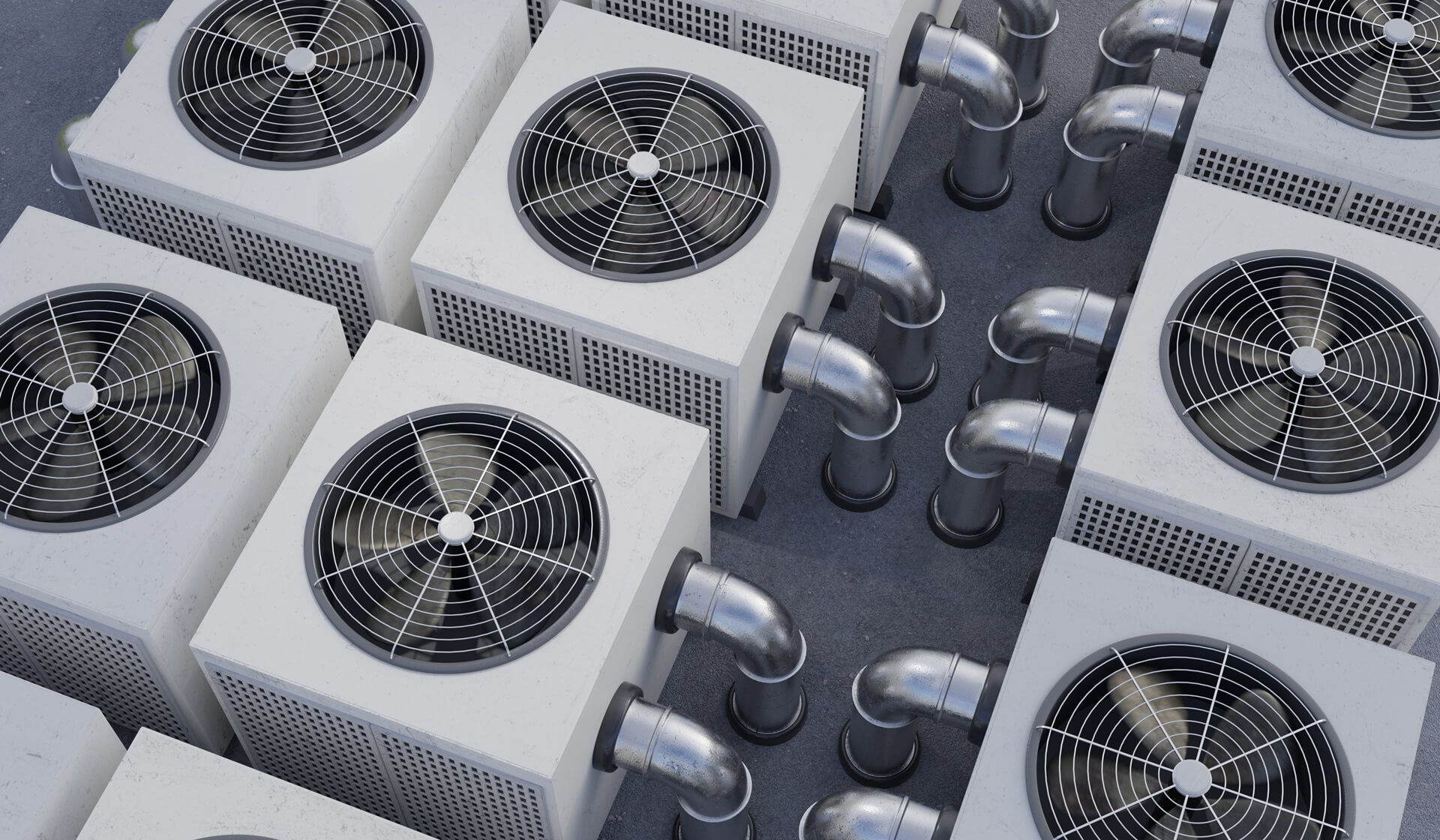
Commercial HVAC systems are responsible for heating, cooling, ventilating, and filtering the air inside office buildings. Efficiency refers to how effectively these systems perform those tasks while using the least amount of energy possible. When an HVAC commercial system runs efficiently, it maintains stable airflow, proper filtration, and consistent temperature control.
An inefficient system, on the other hand, may struggle to circulate air evenly. This can cause stale air pockets, inconsistent humidity levels, and the buildup of airborne pollutants such as dust, pollen, and volatile organic compounds (VOCs). Over time, these issues reduce indoor air quality and can contribute to headaches, allergies, respiratory irritation, and fatigue among employees.
In Louisiana’s climate, efficiency is especially important. Systems that work too hard to combat heat and moisture may experience wear and tear, leading to clogged filters, dirty coils, and poor airflow—all of which directly impact the quality of indoor air.
Humidity Control in Louisiana’s Climate
One of the biggest indoor air quality challenges for commercial HVAC in Louisiana is humidity. High humidity levels create an ideal environment for mold, mildew, and bacterial growth, which can quickly compromise indoor air quality in offices.
Efficient commercial HVAC systems are designed to remove excess moisture from the air while cooling. When systems are properly sized and maintained, they dehumidify effectively, keeping indoor humidity within the recommended range of 30% to 50%. This not only improves comfort but also prevents microbial growth that can trigger allergies and respiratory problems.
Inefficient systems may short-cycle or fail to run long enough to remove moisture effectively. This leads to damp indoor air, musty odors, and increased risk of mold inside ductwork and on building surfaces. In Louisiana offices, where humidity is a year-round concern, efficient HVAC commercial operation is essential to maintaining healthy air.
Air Filtration and Pollutant Removal
Air filtration is another key way commercial HVAC systems influence indoor air quality. Efficient systems support high-quality filters and maintain proper airflow so contaminants are captured instead of recirculated.
In office environments, airborne pollutants can include dust, pollen, pet dander brought in on clothing, cleaning chemicals, and outdoor pollution. Commercial HVAC in Louisiana must also contend with higher levels of pollen and moisture-related contaminants compared to drier regions.
When HVAC commercial systems are inefficient, filters may become overloaded or bypassed due to poor airflow. This reduces their ability to trap particles, allowing pollutants to circulate throughout the office. Efficient systems ensure filters work as intended, improving overall air cleanliness and reducing allergy and asthma triggers for employees.
Upgrading to higher-efficiency filtration options and ensuring systems are properly maintained can dramatically improve indoor air quality without sacrificing energy performance.
Ventilation Efficiency and Fresh Air Exchange
Ventilation is a crucial but sometimes misunderstood component of indoor air quality. Commercial HVAC systems are responsible for bringing in fresh outdoor air while exhausting stale indoor air. Efficient ventilation helps dilute indoor pollutants and maintain oxygen levels that support cognitive performance and comfort.
In Louisiana offices, ventilation efficiency is particularly important because buildings are often tightly sealed to keep out heat and humidity. Without proper ventilation, pollutants can become trapped indoors. Efficient HVAC commercial systems balance fresh air intake with humidity control, ensuring that outdoor air is conditioned before entering the space.
Poorly designed or inefficient systems may reduce fresh air intake to save energy, but this often leads to higher concentrations of indoor pollutants. Modern, energy-efficient
commercial HVAC in Louisiana
offices uses advanced controls to optimize ventilation without increasing energy costs, improving both IAQ and system performance.
Energy Efficiency, Maintenance, and Long-Term IAQ Benefits
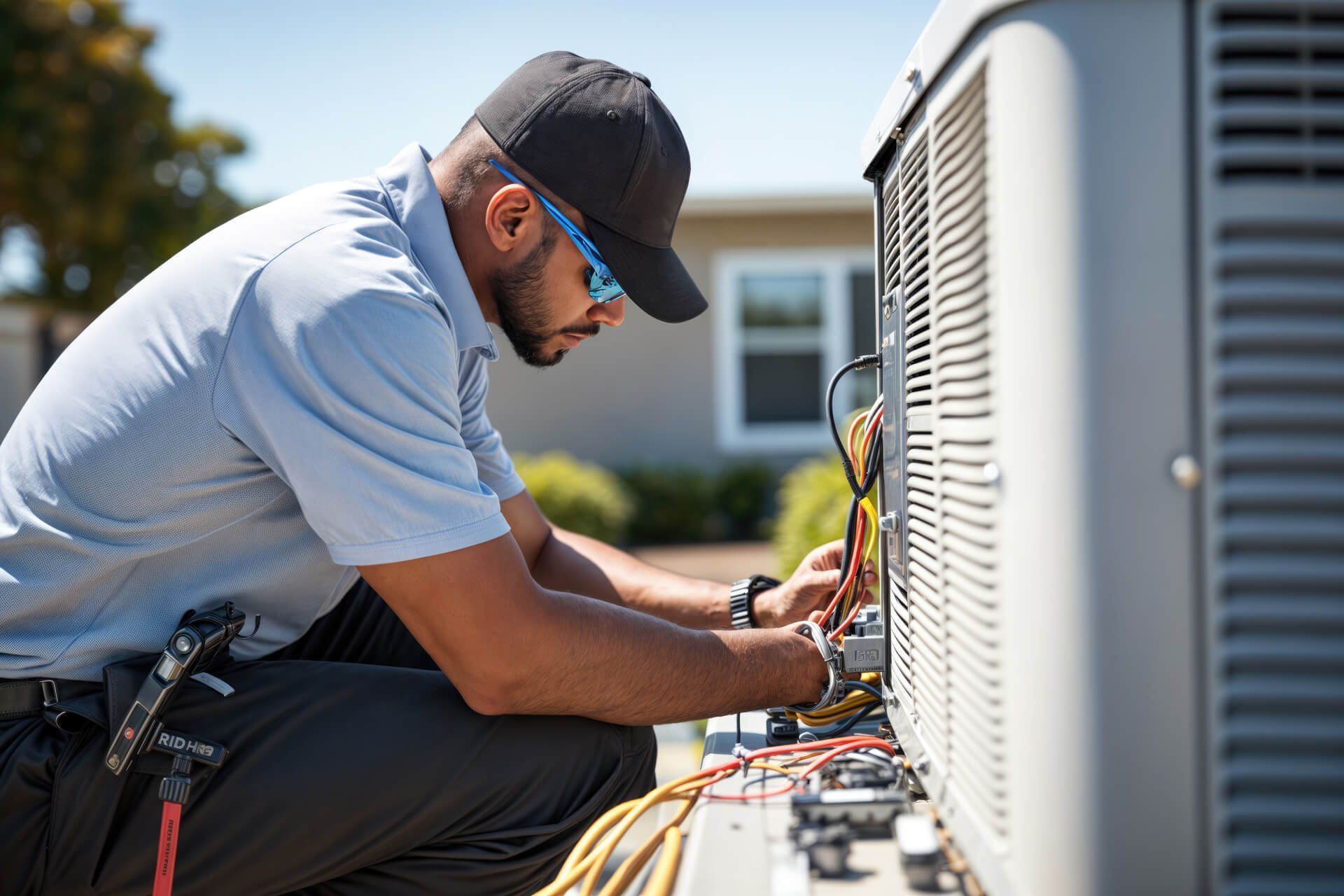
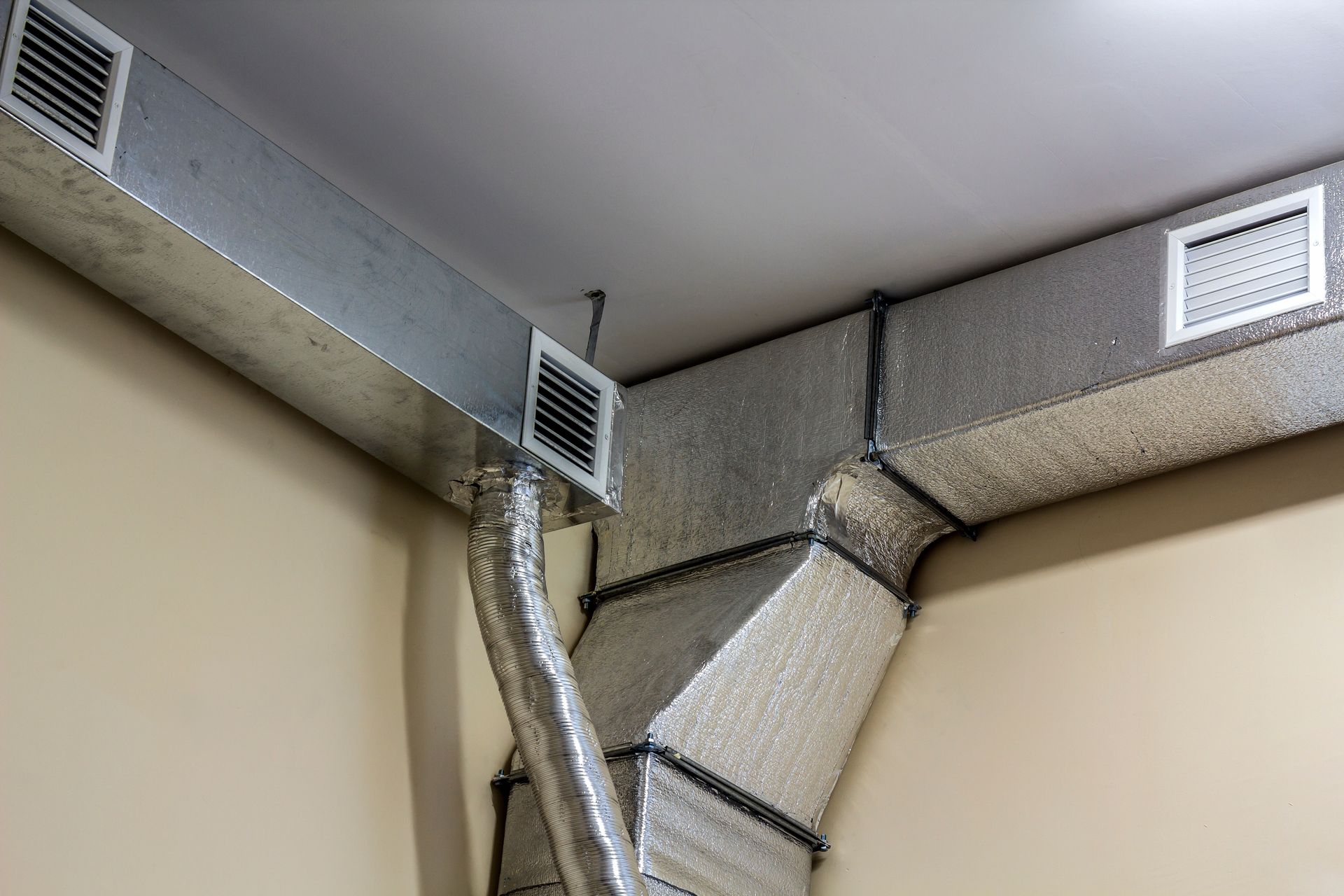
Efficiency and maintenance go hand in hand when it comes to indoor air quality. Even the most advanced commercial HVAC systems can lose efficiency if they are not regularly serviced. Dirty coils, clogged filters, leaky ductwork, and failing components all reduce system performance and negatively impact air quality.
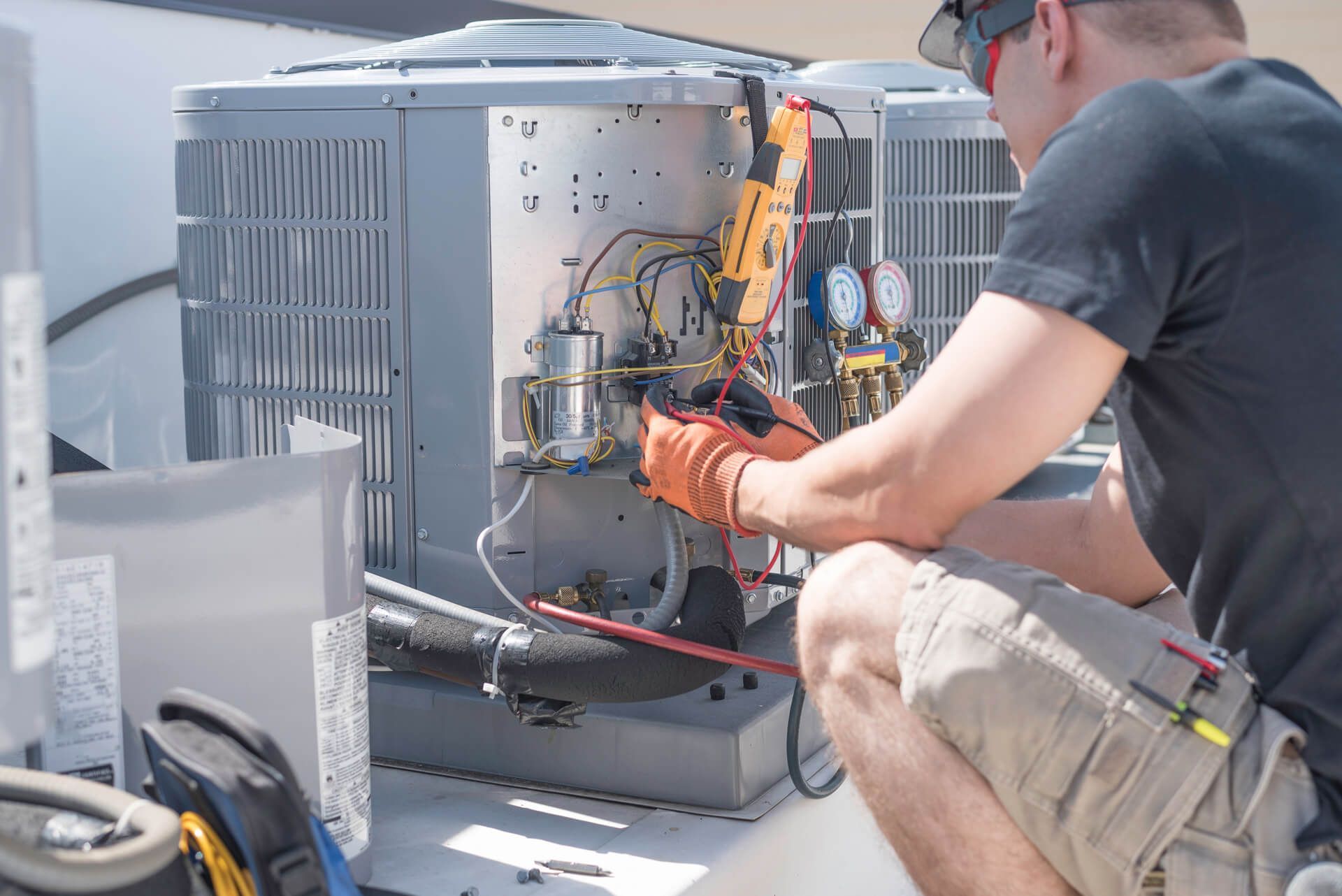
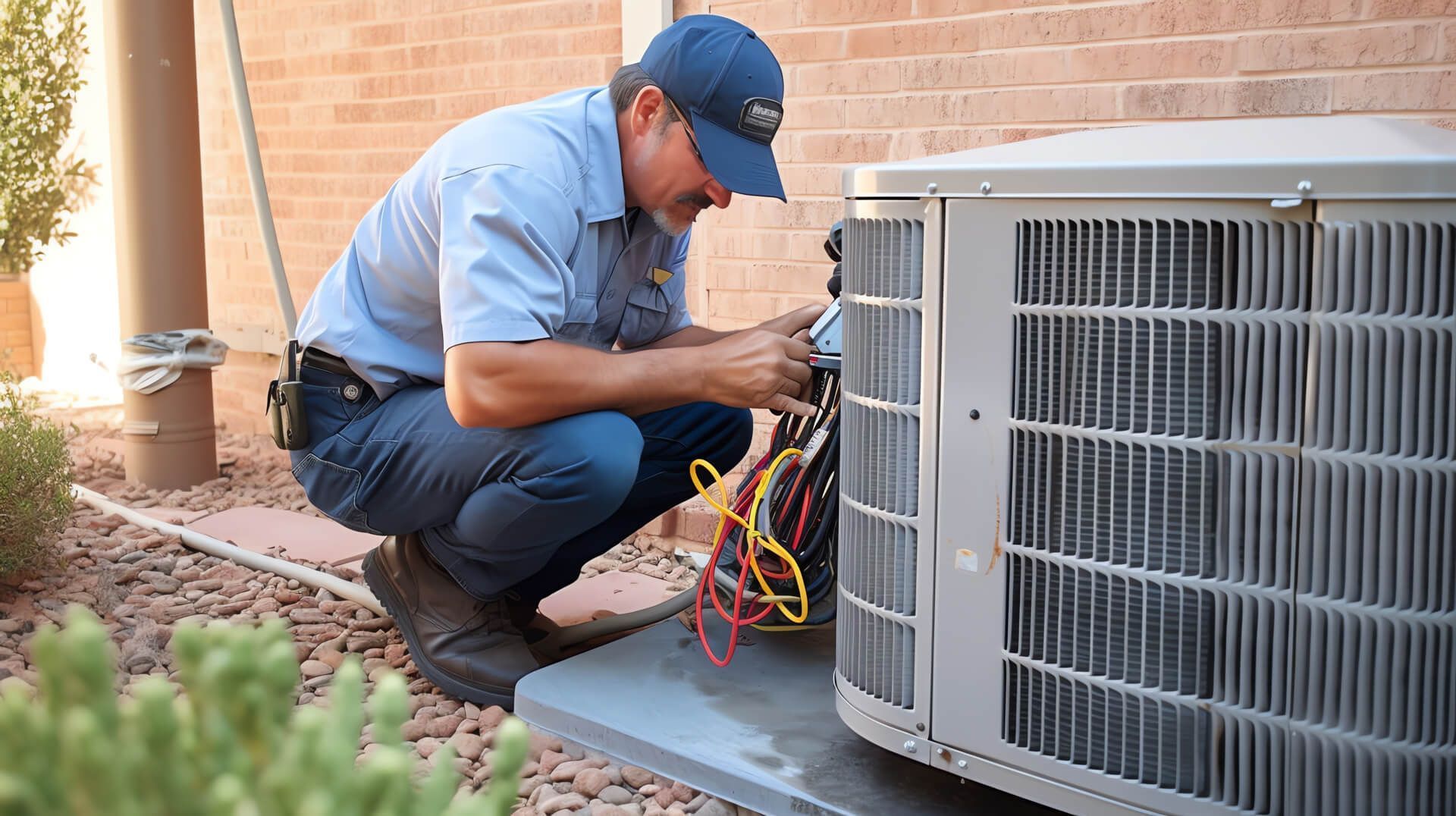
Routine maintenance ensures HVAC commercial systems operate at peak efficiency, providing consistent airflow, effective filtration, and proper humidity control. Over time, this reduces the likelihood of breakdowns, extends equipment lifespan, and keeps indoor air healthier.
For Louisiana offices, investing in efficient commercial HVAC in Louisiana
solutions also offers long-term financial benefits. Lower energy consumption, fewer repairs, and improved employee productivity all contribute to a strong return on investment. Most importantly, cleaner indoor air creates a safer and more comfortable environment for everyone in the building.
Hire Pro Quality A/C & Heating of Louisiana LLC for Commercial HVAC Work
If you want to improve indoor air quality and energy efficiency in your office, Pro Quality A/C & Heating of Louisiana LLC is here to help. Based in Lafitte, LA, our team specializes in reliable commercial HVAC systems designed for Louisiana’s unique climate. From system upgrades and efficiency improvements to routine maintenance and repairs, we provide solutions that support healthier indoor air and long-term performance.
Call
Pro Quality A/C & Heating of Louisiana LLC today at
(504) 442-2558 to schedule a consultation and discover how our
HVAC commercial services can benefit your business. We also handle
residential HVAC services,
HVAC tune-ups,
water heater repair, and more.
Frequently Asked Questions
How does HVAC efficiency directly affect indoor air quality?
Efficient HVAC systems maintain proper airflow, filtration, and humidity control. This prevents the buildup of pollutants, reduces moisture-related issues, and ensures fresh air circulation, all of which improve indoor air quality.
Why is humidity control so important in Louisiana offices?
Louisiana’s humid climate increases the risk of mold and mildew growth. Efficient commercial HVAC systems remove excess moisture, helping maintain healthy indoor air and preventing damage to building materials.
Can upgrading commercial HVAC systems improve employee productivity?
Yes. Better indoor air quality leads to fewer respiratory issues, reduced fatigue, and improved concentration. Efficient HVAC commercial systems create a more comfortable and healthier work environment.
How often should commercial HVAC systems be maintained for good IAQ?
Most commercial HVAC in Louisiana offices should be inspected and serviced at least twice a year. Regular maintenance keeps systems efficient and ensures optimal indoor air quality year-round.
Are energy-efficient HVAC systems more expensive to operate?
No. While the initial investment may be higher, efficient commercial HVAC systems typically lower energy bills, reduce repair costs, and provide long-term savings while improving indoor air quality.